Technicians in the wind industry work in challenging environments: remote turbine sites, elevated platforms, confined spaces, and severe weather. When medical emergencies happen in these settings, you often have more than just time working against you—you’ve also got access constraints and delayed professional help. FMTC Safety’s GWO First Aid training equips you to act decisively when seconds count—but there are key practices you can adopt now to build confidence in recognizing emergencies and using AEDs effectively.
Spot the Emergency Early
- Consciousness & breathing: If someone collapses and doesn’t respond, or if breathing is abnormal (gasping, snoring sounds, or no breath at all), treat it as a critical situation immediately.
- Severe bleeding or trauma: A wound that won’t stop bleeding, or signs of major internal injury, demand urgent care. Shock can progress rapidly in cold, wet, or windy conditions.
- Signs of cardiac distress: Chest pain, shortness of breath, dizziness (especially if the person has prior heart issues or risk factors) should never be ignored.
- Delayed medical access: If emergency services are far or access is difficult (like ladders, blade hub access, etc.), your early first aid becomes even more crucial.
Confidently Use an AED
- Know the device’s location: Be sure where the AED is stored in your facility or turbine. Clear signage and practice are essential.
- Practice under stress: Training should simulate tension: low visibility, wind, noise. Practice donning pads, switching on, and following voice prompts without pausing.
- Check readiness regularly: Pads, batteries, and self-test signals should be inspected—ideally monthly. If expired or damaged, replace immediately.
- Follow the prompt: AEDs guide you—stand clear, follow its directions, and don’t worry about mistakes. The device is designed for users who are not professionals.
Preparing Ahead & Satying Sharp
- Physical fitness matters: CPR and handling emergencies are physically demanding. Strength, stamina, and agility all help.
- Simulation drills: Practice AED usage and scenario drills in your actual work environment. The more realistic the setting, the better.
- Regulatory awareness: Know what your region or site requires for first aid certification and AED protocols. GWO First Aid is recognized globally, which helps if you work internationally.
What FMTC Safety Brings You
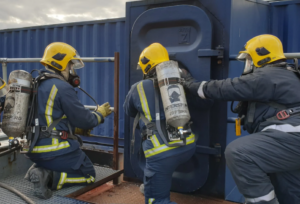
FMTC’s GWO First Aid course does more than train you—it immerses you in real-world scenarios. You’ll work with AEDs, practice in turbine-like access conditions, and receive a certification valid for two years with refresher options. Instructors focus not just on technique, but also mindset—so you leave understanding when to act, how to lead in emergencies, and how to help yourself and the team stay safe.
Conclusion
In wind-site work, emergencies will always be a possibility—but you don’t have to be caught unprepared. By learning to spot critical signs early, using AEDs confidently, preparing physically and mentally, and staying current through FMTC Safety’s GWO First Aid course (with refresher training), you give yourself and your team the best chance when every second matters



 Hotel and
 Medical checks available at checkout