

 Hotel and
 Medical checks available at checkout

9 Sep 2026
BOSIET is not considered a particularly difficult course, but it does involve practical exercises that can feel challenging for first-timers. The training is physically and mentally engaging, especially the underwater escape simulation, which many participants find intense. This article breaks down what to expect from each part of the course so you can walk in prepared.
The BOSIET (Basic Offshore Safety Induction and Emergency Training) is a multi-day offshore safety course covering the essential survival skills needed to work offshore. It combines classroom theory with hands-on practical exercises, including firefighting, helicopter underwater escape, sea survival, and first aid. The course is accredited by OPITO and is mandatory for most offshore roles.
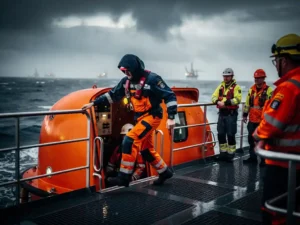
Participants spend time both in a classroom setting and in practical environments such as a pool and a fire training area. The balance between theory and practice is what makes BOSIET effective. Rather than testing academic knowledge, the course focuses on building real-world emergency response skills that workers can apply on the job.
The main modules covered in a standard BOSIET course typically include:
The helicopter underwater escape training (HUET) is widely considered the most challenging part of BOSIET. During this exercise, participants are strapped into a helicopter simulator that is submerged and inverted in a pool. Trainees must then escape underwater, which can feel disorienting and stressful, particularly for those uncomfortable with water or confined spaces.
That said, instructors guide participants through the process step by step, and the exercise is designed to build confidence rather than catch people out. Most participants who feel nervous beforehand report feeling capable and even proud after completing it. The sea survival module, which involves jumping into the water and boarding a life raft, is another section that some find physically demanding but manageable with preparation.
BOSIET does not include a traditional written exam. Certification is based on successful completion of all practical exercises and active participation throughout the course. Instructors assess competence by observing performance during drills and simulations rather than grading a written test.
This means the pressure is less about memorizing information and more about demonstrating that you can follow procedures correctly under realistic conditions. If a participant struggles with a specific exercise, instructors will typically offer additional guidance and an opportunity to retry before making a final assessment. The goal of OPITO BOSIET certification is to confirm that you can respond effectively in an offshore emergency, not to rank academic performance.
BOSIET does have some physical requirements because of the nature of the practical exercises involved. Participants need to be able to swim and must complete a swim test as part of the course. There are also weight and height restrictions related to the helicopter simulator equipment used during HUET training.
A valid medical certificate, such as an offshore medical, is generally required before attending BOSIET. This confirms that participants are fit enough to take part in the physical components of the training. If you have a pre-existing medical condition or physical limitation, it is worth checking with the training provider in advance to confirm whether any adjustments can be made.
The best way to prepare for BOSIET training is to be well-rested, physically comfortable in water, and mentally ready for the practical exercises. You do not need to study complex material beforehand, but understanding the course structure helps reduce anxiety and lets you focus during the sessions.
Here are some practical steps to prepare:
Mental preparation matters as much as physical readiness. Knowing that the HUET exercise is designed to be completed safely, and that instructors are experienced in supporting nervous participants, goes a long way toward building confidence before you arrive.
BOSIET certification is valid for four years. After this period, offshore workers are required to complete a FOET (Further Offshore Emergency Training) to renew their certification. FOET is a shorter refresher course that updates the same core skills covered in the original BOSIET training.
It is important to track your certificate expiry date carefully, as an expired BOSIET will prevent you from working offshore until the renewal is completed. Many employers and project managers require proof of a valid certificate before mobilization, so letting it lapse can cause delays and affect your ability to take on work. Booking your FOET renewal well in advance of the expiry date is always the safer approach.
At FMTC Safety, we make BOSIET training as straightforward and accessible as possible for both individual professionals and organizations booking for their teams. Whether you are completing your first BOSIET or coordinating training for multiple employees, we offer the flexibility and reliability you need.
Ready to book your offshore safety training? View our BOSIET courses and find a date and location that works for you.