Hotel and
 Medical checks available at checkout
30 Oct 2026
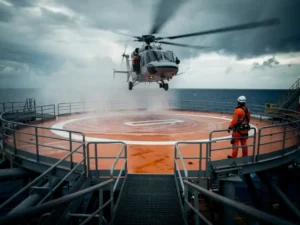
Helideck safety between helicopter visits is maintained through regular inspections, clear responsibility structures, ongoing personnel training, and strict compliance with international standards such as those set by the CAA, IOGP, and OPITO. A helideck cannot be treated as a passive structure that only requires attention when a helicopter is expected. Hazards can develop at any time, and the consequences of an undetected defect during an actual operation can be severe. The sections below cover the most important questions around maintaining offshore helideck safety between active operations.
The key helideck hazards between helicopter visits include surface contamination, structural deterioration, lighting and marking failures, drainage blockages, and obstruction from unsecured equipment or debris. These hazards can develop gradually or appear suddenly due to weather, corrosion, or human activity on the installation, and they may not be visible until a formal inspection is carried out.
Offshore environments are particularly demanding. Salt spray, wind, temperature changes, and humidity all accelerate wear on helideck surfaces and equipment. Even a short period of inactivity can result in:
Each of these hazards can compromise the safety of the next helicopter operation, which is why helideck maintenance cannot wait until a flight is scheduled.
A helideck should be inspected at least once every 24 hours when not in active use, and always before any planned helicopter operation. Most offshore operators follow inspection schedules defined in their helideck operations manual, which typically align with guidance from the CAA (UK Civil Aviation Authority) and IOGP standards. More frequent checks may be required during severe weather conditions.
Daily visual inspections are the baseline requirement. These checks confirm that the deck surface is clear, clean, and structurally sound, and that all lighting and visual aids are functional. Following storms, heavy rain, or significant temperature changes, an additional inspection should be conducted regardless of the scheduled routine.
Before any helicopter arrival, a pre-landing inspection must always be completed. This is a non-negotiable step, even if a routine check was carried out only hours earlier. Conditions offshore can change rapidly, and a fresh inspection immediately before operations begin is the last line of defence against a preventable incident.
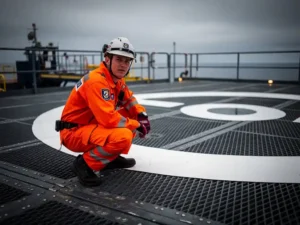
The Helideck Landing Officer (HLO) holds primary responsibility for helideck safety on an offshore installation. The HLO is a certified role that covers all aspects of helideck operations, including pre-flight and post-flight inspections, emergency response coordination, and communication with the helicopter crew. The installation operator carries overall accountability for maintaining the helideck to the required standard.
Responsibility is shared across several roles in practice. The HLO manages day-to-day operations and inspections, but the Offshore Installation Manager (OIM) holds overarching duty of care for the facility, including the helideck. Helideck Assistants (HDAs) support the HLO during active operations and contribute to routine maintenance tasks.
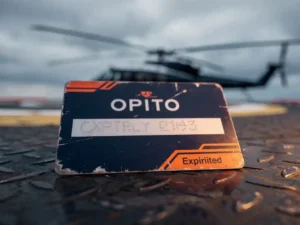
This structure means that even when no helicopter is expected, there is always a designated person responsible for monitoring helideck conditions. The HLO and HDA roles are certified positions, and personnel must hold valid OPITO helideck courses qualifications to carry out these duties legally and safely.
A helideck inspection checklist typically includes checks on the deck surface condition, structural integrity, drainage systems, lighting and electrical equipment, visual aids, firefighting equipment, communication systems, and documentation records. The exact format varies between operators, but the core items are consistent with CAA CAP 437 standards and IOGP guidance on offshore helicopter operations.
A standard helideck inspection checklist covers the following areas:
Any defect identified during an inspection must be logged and escalated to the appropriate person. Non-critical defects should be repaired before the next scheduled flight, while safety-critical issues may require the helideck to be taken out of service until resolved.
Helideck personnel need OPITO-certified training to legally and safely carry out helideck duties on an offshore installation. The two core certifications are the Helideck Landing Officer (HLO) and Helideck Assistant (HDA) programmes. Both qualifications are internationally recognised and required by operators across the North Sea, the Gulf of Mexico, and other major offshore regions.
The HLO programme covers helideck operations management, emergency procedures, firefighting on the helideck, communication with helicopter crews, and inspection responsibilities. The HDA course provides the foundational knowledge and practical skills needed to assist during helicopter operations and support routine maintenance tasks.
Recurrent training is also mandatory. HLO and HDA certificates are not indefinite, and personnel must complete refresher courses at defined intervals to keep their qualifications current. Allowing certificates to lapse not only creates a compliance risk but also means personnel may be working with outdated procedures or reduced practical competence.
Beyond the helideck-specific courses, helideck personnel typically also hold OPITO fire fighting courses certification and broader offshore survival training such as BOSIET or FOET, ensuring they are equipped to respond to the full range of emergencies that can occur in an offshore environment.
If helideck standards are not maintained between helicopter visits, the consequences range from regulatory non-compliance and operational delays to serious accidents during approach, landing, or departure. A helideck that does not meet the required standard must be taken out of service, which can halt crew changes and delay critical supply or medical operations on the installation.
From a safety perspective, undetected hazards such as surface contamination, lighting failures, or structural damage can contribute directly to helicopter incidents. The offshore helideck environment leaves very little margin for error during operations, and a defect that might seem minor during an inspection can become critical at the moment a helicopter is on approach.
From a regulatory standpoint, operators who fail to maintain helideck standards can face audits, enforcement action, and suspension of helicopter operations by the relevant aviation authority. Certification bodies and helicopter operators conduct their own assessments, and an installation with a poor helideck compliance record may find that operators refuse to land there until issues are resolved.
Reputational and commercial consequences follow quickly. Crew change delays, project disruptions, and emergency response limitations all carry significant costs. Maintaining standards consistently between visits is far less disruptive than managing the fallout from a compliance failure or an incident.
We understand that helideck safety depends on more than a checklist. It depends on trained, certified personnel who know what to look for, how to respond, and how to keep their qualifications current. At FMTC Safety, we offer the full range of OPITO helideck certifications for both new and experienced offshore professionals.
Whether you are booking training for yourself or coordinating certification for a team, we make the process straightforward. Explore our full range of OPITO helideck courses and book a course that fits your schedule.