Hotel y
 Médico cheques disponibles al pagar
15 Nov 2026
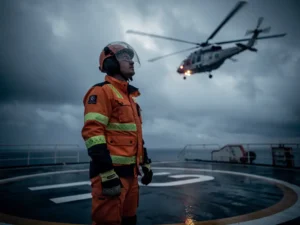
The most common helideck incidents include rotor strikes, slips and falls on the deck surface, jet blast injuries, fuel spills, and miscommunication between flight crew and deck crew during landing or departure. These incidents are largely preventable through proper training, strict operational procedures, and clear crew coordination. The sections below break down the key hazards, prevention methods, and the roles responsible for keeping helideck operations safe.
The most frequently reported helicopter deck accidents involve personnel being struck by rotor blades, slipping on wet or contaminated deck surfaces, being injured by jet blast or exhaust, and fuel handling incidents. Communication failures between pilots and helideck crews during approach or departure are also a significant contributing factor to offshore helideck safety incidents.
While rotor strikes are among the most severe in terms of injury potential, slip and fall incidents are statistically more common. Helidecks are exposed to sea spray, rain, and fuel residue, all of which create unpredictable surface conditions. Fuel-related incidents, including spills and improper grounding during refueling, introduce fire risk and require an immediate, trained response.
Miscommunication incidents often stem from poor visibility, noise interference, or unclear hand signals. These can lead to crew members being in the wrong position at the wrong time, which dramatically increases the risk of serious injury during rotor operation.
Helidecks are dangerous because they combine a confined working space, rotating machinery, flammable materials, and unpredictable weather conditions on a single elevated platform. Offshore helideck safety is further complicated by the remote location of installations, which limits emergency response options and increases the consequences of any incident.
Several factors make helideck hazards particularly acute:
The combination of these factors means that even experienced personnel can be caught off guard. This is why standardized procedures and regular training are not optional extras but essential safety requirements.
Helideck crews prevent rotor strike incidents by enforcing strict approach and departure zones, using clear hand signal protocols, and ensuring no personnel move toward the aircraft until the rotors have fully stopped and the pilot or Helideck Landing Officer has given the all-clear signal. Discipline in following these procedures is the single most effective prevention measure.
En la práctica, esto significa:
Rotor strikes are almost always the result of someone entering an exclusion zone prematurely. Consistent enforcement of these steps, backed by regular drills, keeps this risk as low as possible.
Helideck training plays a central role in incident prevention by ensuring that every crew member understands the specific hazards, procedures, and emergency responses relevant to helicopter deck operations. Without formal, certified training, personnel may lack the situational awareness needed to act correctly under pressure or in an unfamiliar aircraft scenario.
OPITO-certified helideck safety courses cover the competencies required for Helideck Assistants and Helideck Landing Officers. These programs address hazard recognition, firefighting on the deck, emergency procedures, and communication protocols. Certification is typically required before any personnel can work in a helideck role on an offshore installation.
Beyond initial certification, recurrent training keeps skills current and ensures crews are prepared for evolving aircraft types and updated operational standards. Training also builds the team familiarity needed for effective coordination during high-pressure situations, which is where many helideck incidents originate.
During a helideck emergency, the response follows a structured sequence: the Helideck Landing Officer activates the alarm, the helideck fire team deploys with appropriate firefighting equipment, and the installation’s emergency response plan is initiated. The priority is to contain any fire, assist injured personnel, and prevent the emergency from escalating to the wider installation.
The helideck fire team typically uses dry powder or foam agents depending on the nature of the incident. Crew members trained in offshore firefighting are responsible for direct suppression, while other designated personnel manage evacuation routes and communication with the control room.
Emergency response drills are conducted regularly to ensure that every team member knows their role before an incident occurs. Response times matter enormously on a helideck because fuel and ignition sources are in close proximity. Effective drills reduce hesitation and improve coordination when it counts most.
Helideck safety on an offshore installation is the shared responsibility of the Offshore Installation Manager, the Helideck Landing Officer, and the helideck crew. The Offshore Installation Manager holds overall accountability, while the Helideck Landing Officer has direct operational authority over all helicopter movements and deck activities.
The helicopter operator and the installation operator also share responsibilities under their respective safety management systems. Pilots are responsible for the aircraft and must follow the procedures set by the installation, while the installation is responsible for ensuring the deck is in a safe and certified condition for operations.
Supporting roles include the helideck fire team, who must be available and ready during all movements, and the installation’s QHSE team, who oversee compliance with regulatory standards and audit helideck procedures. This layered structure of accountability is designed so that no single point of failure can compromise overall safety.
We offer OPITO-certified training programs specifically designed to prepare professionals for the realities of helideck operations and offshore helicopter safety. Whether you are working toward your first helideck certification or refreshing existing qualifications, our courses are built around practical, scenario-based learning delivered by instructors with real-world offshore experience.
Here is what you can expect when booking helideck training with us:
If you are ready to book or want to find out which helideck course is right for your role, browse our full range of OPITO HUET and offshore survival courses or contact our team directly to discuss your requirements.