

 Hotel dan
 Perubatan cek tersedia semasa pembayaran

18 Nov 2026
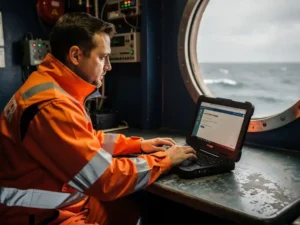
Helideck crew communication is critical during landing operations because a single miscommunication can result in catastrophic consequences, including aircraft collisions, fire, or loss of life. The offshore environment introduces noise, weather, and coordination complexity that make clear, structured communication between the helicopter landing officer, helideck assistants, and the flight crew essential at every stage of the landing sequence. The sections below unpack the specific risks, responsibilities, methods, and training requirements that keep helideck operations safe.
When helideck crew communication breaks down, the risk of a serious incident increases significantly. Without accurate, real-time information flowing between the flight crew and the helideck team, a helicopter may approach when conditions are unsafe, land on an unprepared deck, or encounter hazards that nobody has flagged in time. The consequences range from minor operational delays to fatal accidents.
Common consequences of communication failure on an offshore helideck include:
In offshore helicopter safety, timing is everything. The window between approach and touchdown is short, and any gap in coordination during that window can escalate quickly. This is why helideck communication procedures are not informal guidelines but mandatory protocols governed by international standards.
The helicopter landing officer, commonly referred to as the HLO, holds primary responsibility for communication during a helideck landing. The HLO acts as the single point of contact between the flight crew and the helideck team, coordinating all activity on the deck and relaying critical information to the pilot before, during, and after the landing sequence.
HLO communication responsibilities typically include:
Helideck assistants support the HLO by carrying out physical tasks on the deck, but they operate under the HLO’s direction. The pilot in command retains ultimate authority over the aircraft, but the HLO’s role in providing accurate, timely information directly shapes the pilot’s decisions. This division of responsibility is clearly defined in OPITO helideck courses and reflected in operational standards across the offshore industry.
Offshore helideck communication relies on a combination of radio communication, hand signals, and standardized visual cues. No single method is sufficient on its own because noise levels, equipment failure, and visibility conditions can each compromise one channel at a time. Using multiple methods in parallel ensures the message gets through even when conditions are difficult.
The main communication methods used during helideck landing operations are:
Effective helideck communication procedures require that all channels are tested and confirmed operational before any helicopter movement begins. Backup procedures must also be in place for situations where primary radio contact is lost during an approach.
In poor weather or low visibility, helideck communication becomes more demanding and requires stricter adherence to protocol. When visual cues are reduced by fog, rain, or darkness, the HLO and flight crew must rely more heavily on radio communication and instrumentation, leaving less margin for ambiguity or delay in the exchange of information.
Several adjustments are made to helideck communication procedures under adverse conditions. The HLO increases the frequency of status updates to the pilot, confirming deck conditions at shorter intervals. Hand signals may become unreliable or impossible to read from the cockpit, making radio clarity even more important. Deck lighting systems take on a greater role in guiding the approach, and the HLO must ensure all lighting is operational and correctly configured before granting approach clearance.
Poor weather also increases the likelihood of last-minute changes. A deck that was clear and ready can become unsafe within minutes due to a sudden wind shift or spray. The HLO must be prepared to abort the landing at any point and communicate that decision to the pilot immediately, using unambiguous language that leaves no room for interpretation. Offshore helicopter safety in challenging conditions depends on the HLO’s ability to stay calm, communicate clearly, and make fast, informed decisions.
Helideck crew must complete OPITO-certified training to perform safe landing communications on an offshore helideck. For the HLO role specifically, this means completing the OPITO Helicopter Landing Officer course, which covers communication procedures, deck management, emergency response, and the practical skills needed to coordinate helicopter operations safely. Helideck assistants complete separate but related OPITO training before working on a live deck.
The training addresses both the technical and human factors that affect communication quality. Participants learn standardized radio phraseology, hand signal procedures, and how to manage communication under pressure. Emergency scenarios are included to ensure crew members can maintain clear communication when an incident occurs, not just during routine operations.
Keeping helideck certifications current is just as important as obtaining them. OPITO qualifications have defined validity periods, and working with an expired certificate is not compliant with offshore industry requirements. Professionals who need to renew or obtain helideck qualifications for the first time should review the full range of OPITO offshore courses to identify which certification applies to their role and location.
At FMTC Safety, we offer OPITO-certified helideck training designed to prepare both HLOs and helideck assistants for the real communication demands of offshore helicopter operations. Our courses are practical, instructor-led, and delivered by trainers with direct industry experience.
Inilah yang anda boleh jangkakan apabila anda menempah latihan helidek dengan kami:
Whether you are an individual contractor preparing for an offshore role or an HSE team coordinating training for a larger workforce, we make the process straightforward. Explore our full range of OPITO helideck courses and book the right training for your team today.